


O-304 (ATX-304) serves as a valuable research tool for investigating simultaneous direct pan-AMPK (AMP-activated protein kinase) activation and its effects on cellular energy metabolism and vascular function.
Research Disclaimer: Peptides.GG sells this and all other peptides for Research Only and not for human consumption.
O-304 (ATX-304)
$169.99
- Free Delivery on all orders over $200
- Earn 5% Store Credit with Every Order
- Same Day Shipping Before 1 PM PST
- 10% Discount for Cryptocurrency Payments
14-day money-back guarantee
Not satisfied? Return any unopened product within 14 days of delivery for a full refund — we send the return label.

O-304 (ATX-304) serves as a valuable research tool for investigating simultaneous direct pan-AMPK (AMP-activated protein kinase) activation and its effects on cellular energy metabolism and vascular function.
Research Disclaimer: Peptides.GG sells this and all other peptides for Research Only and not for human consumption.
Frequently Asked Questions About O-304 (ATX-304)
What is O-304 (ATX-304)?
O-304 (ATX-304) is a synthetic small-molecule direct pan-AMPK (AMP-activated protein kinase) activator developed by Betagenon/Baltic Bio. It is studied as a research tool for AMPK-pathway pharmacology and cellular energy metabolism, and is supplied strictly as a research compound for laboratory use; not for human consumption.
What is the molecular profile of O-304 (ATX-304)?
O-304 is a small molecule (not a peptide) with the molecular formula C₁₆H₁₁Cl₂N₃O₂S, a molecular weight of 380.25 Da, and CAS number 1261289-04-6. It acts directly on AMP-activated protein kinase across its isoform combinations (pan-AMPK activation), sustaining phosphorylation at the activating Thr172 site independently of caloric restriction or exercise.
What is O-304 (ATX-304) studied for in research?
In preclinical and in vitro research, O-304 is used to investigate direct AMPK activation and its downstream effects — skeletal-muscle glucose uptake via GLUT4 translocation, fatty-acid oxidation, mitochondrial biogenesis (PGC-1α), hepatic glucose output, and endothelial/microvascular perfusion in metabolic-syndrome research models. Supplied for laboratory research use only; not for human consumption.
What makes O-304 a direct AMPK activator?
Unlike compounds that raise cellular AMP/ADP to activate AMPK indirectly through energy stress, O-304 engages AMPK directly and broadly across its isoform combinations. This lets researchers drive the energy-sensing switch — from anabolic toward catabolic metabolism — pharmacologically, isolating AMPK-dependent adaptation from the confounding effects of exercise, caloric restriction, or upstream energy depletion.
How is O-304 (ATX-304) stored and handled in the laboratory?
O-304 research material is kept sealed, cool, and dry, protected from light and moisture, and handled using standard laboratory precautions. Each batch is third-party tested for identity and purity with a Certificate of Analysis.
Related products
-
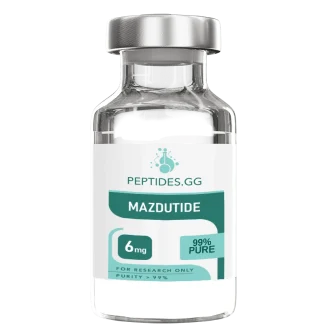
Mazdutide
$100.00 Select options This product has multiple variants. The options may be chosen on the product pageSize: 6mg
-

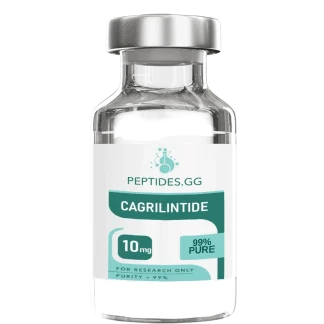
Cagrilintide
$100.00 – $155.00 Select options This product has multiple variants. The options may be chosen on the product pageSize: 5mg, 10mg
-
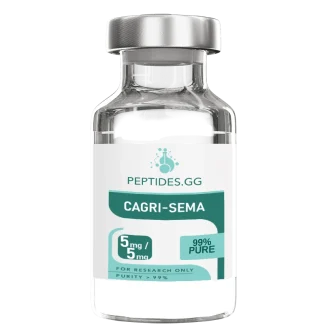
Cagri-Sema Blend
$149.00 Select options This product has multiple variants. The options may be chosen on the product pageSize: 5mg Cagrilintide / 5mg Sema (10mg)
Research Overview
O-304 (ATX-304) is a small-molecule direct pan-AMPK (AMP-activated protein kinase) activator developed by Betagenon/Baltic Bio and investigated as a research tool for studying cellular energy metabolism and vascular function. Unlike peptide therapeutics, O-304 is a low-molecular-weight synthetic compound that engages AMPK directly, making it a valuable probe for dissecting AMPK-dependent control of glucose uptake, fatty-acid oxidation, mitochondrial biogenesis, and endothelial/microvascular perfusion in experimental systems. Research applications encompass energy-sensing pathway pharmacology, skeletal-muscle and hepatic metabolism, metabolic-syndrome research models, and vascular biology. Comparative metabolic research often references indirect AMPK modulators such as biguanides and AMP-mimetics to contrast direct pan-AMPK activation against upstream energy-stress signaling.
O-304 serves as an important tool for investigating how direct AMPK activation reshapes substrate utilization across tissues. Laboratory studies examine O-304’s effects on glucose disposal in skeletal muscle, hepatic glucose output, fatty-acid oxidation capacity, mitochondrial content and function, and microvascular perfusion. Because AMPK functions as a central cellular energy sensor, research protocols use O-304 to interrogate the consequences of activating this pathway independently of caloric restriction or exercise, isolating the contribution of AMPK signaling to metabolic adaptation.
O-304 research demonstrates the feasibility of pharmacologically engaging the AMPK energy-sensing axis with a single small molecule to drive coordinated metabolic and vascular responses. By promoting AMPK activation, the compound enables researchers to model the downstream effects of enhanced energy expenditure, improved glucose handling, and increased mitochondrial biogenesis in a controlled, reproducible manner. This pharmacological profile makes O-304 a useful tool for understanding AMPK-pathway integration across muscle, liver, adipose, and endothelial tissues, and for evaluating whether direct AMPK activation reproduces beneficial metabolic adaptations associated with energy stress.
Molecular Characteristics
Complete Specifications:
- Chemical Name / Classification: Small-molecule pan-AMPK activator
- Molecular Formula: C₁₆H₁₁Cl₂N₃O₂S
- Molecular Weight: 380.25 Da
- CAS Number: 1261289-04-6
- PubChem CID: 50923806
- Appearance: Powder
- Solubility: DMSO (small molecule)
- Molecular Target: AMP-activated protein kinase (AMPK) — pan-isoform activation
- Developer Context: Betagenon/Baltic Bio; investigated in metabolic and vascular research
O-304 is a synthetic small molecule rather than a peptide. Its compact, defined chemical structure (C₁₆H₁₁Cl₂N₃O₂S, 380.25 Da) confers properties characteristic of small-molecule research compounds, including DMSO solubility for in-vitro stock preparation and good chemical stability relative to large biomolecules. The molecule acts directly on AMPK, the heterotrimeric serine/threonine kinase that functions as a master regulator of cellular energy homeostasis. By engaging AMPK across its isoform combinations (pan-AMPK activation), O-304 provides a means to study coordinated activation of the energy-sensing network rather than a single tissue-restricted isoform.
The molecular design addresses a central challenge in metabolic pharmacology: activating AMPK directly and broadly without relying on upstream energy depletion. AMPK normally becomes active when cellular energy charge falls, integrating signals that shift metabolism from anabolic, energy-consuming pathways toward catabolic, energy-generating pathways. O-304 enables researchers to drive this switch pharmacologically, supporting reproducible investigation of AMPK-dependent glucose uptake, lipid oxidation, and mitochondrial adaptation across experimental models.
Mechanism of Action in Research Models
O-304 mechanistic characterization in preclinical research reveals key properties of direct pan-AMPK activation:
AMPK Activation:
- Direct pan-AMPK activation that sustains phosphorylation of AMPK at the activating Thr172 site
- Activation independent of caloric restriction or contractile/exercise stimulus in experimental systems
- Broad activation across AMPK isoform combinations rather than single-isoform engagement
- Engagement of the central cellular energy-sensing axis as a master metabolic regulator
Downstream Metabolic Signaling:
- Increased skeletal-muscle glucose uptake via GLUT4 translocation to the plasma membrane
- Enhanced fatty-acid oxidation through AMPK-mediated inhibition of acetyl-CoA carboxylase
- Reduced hepatic glucose output and shifts in hepatic substrate handling
- Stimulation of mitochondrial biogenesis via PGC-1α-associated transcriptional programs
- Shift toward catabolic, energy-generating metabolism and improved metabolic flexibility
Vascular and Microvascular Effects:
- Improved endothelial function and microvascular perfusion in research models
- AMPK-associated modulation of vascular reactivity and peripheral perfusion
- Integration of metabolic and vascular endpoints within metabolic-syndrome research models
These mechanistic properties enable research protocols investigating sustained pan-AMPK activation and its coordinated metabolic and vascular consequences. Direct activation allows researchers to isolate AMPK-dependent adaptation from confounding effects of energy stress, exercise, or dietary intervention, facilitating mechanistic dissection of energy-sensing pathway biology.
Research Applications
Direct AMPK Pathway Pharmacology
O-304 enables investigation of direct pan-AMPK activation and its metabolic integration:
- Energy-Sensing Studies: Analysis of AMPK activation and downstream signaling using AMPK inhibitors (e.g., compound C / dorsomorphin) or AMPK subunit knockout/knockdown models to confirm pathway dependence
- Direct vs. Indirect Activation: Research contrasting direct pan-AMPK activation with upstream energy-stress modulators and AMP-mimetics to define mechanism-specific outcomes
- Isoform Contribution: Investigation of α1/α2, β, and γ subunit combinations to assign tissue-specific effects of pan-AMPK activation
- Signal Integration: Examination of AMPK-driven phosphorylation cascades, mTOR pathway crosstalk, and downstream transcriptional programs
- Pathway-Specific Effects: Use of selective inhibitors to dissect AMPK contributions to metabolic outcomes in complex systems
Research addresses fundamental questions about how direct AMPK activation reshapes cellular energy metabolism, how the energy-sensing network coordinates substrate utilization across tissues, and whether pharmacological activation reproduces adaptations associated with energy stress.
Glucose Uptake and Insulin Sensitivity
Given AMPK’s role in glucose handling, substantial research focuses on glucose disposal and insulin signaling:
- Skeletal-Muscle Glucose Uptake: Investigation of GLUT4 translocation, insulin-independent glucose transport, and muscle glucose disposal rates
- Insulin Sensitivity: Examination of peripheral and hepatic insulin sensitivity, HOMA-IR analogs in models, and glucose disposal using clamp techniques
- Hepatic Glucose Output: Studies on fasting glucose production, gluconeogenic gene expression, and hepatic glucose handling
- Beta-Cell Workload: Research on β-cell stress and rest in diet-induced obese models under sustained AMPK activation
- Glucose Tolerance: Investigation of glucose tolerance test responses, meal-related glucose excursions, and fasting glucose regulation
Research addresses how AMPK-mediated glucose uptake contributes to overall glucose homeostasis, whether direct activation improves insulin sensitivity in metabolic-syndrome models, and how muscle and hepatic glucose handling integrate.
Fatty-Acid Oxidation and Lipid Metabolism
Laboratory studies investigate O-304’s effects on lipid handling and hepatic metabolism:
- Enhanced Lipid Oxidation: Examination of β-oxidation capacity, CPT1 activity, acetyl-CoA carboxylase inhibition, and mitochondrial fatty-acid oxidation
- Hepatic Lipid Content: Research on intrahepatic triglyceride clearance, de novo lipogenesis suppression, and overall liver lipid content by imaging or biochemical analysis
- Substrate Switching: Studies on metabolic flexibility, preferential lipid utilization, and respiratory exchange ratio shifts using indirect calorimetry
- Adipose Metabolism: Investigation of adipose substrate handling and lipid mobilization under AMPK activation
- Energy Expenditure: Research on whole-body energy expenditure and oxygen consumption using metabolic caging systems
Experimental models examine whether AMPK-mediated enhancement of fatty-acid oxidation reduces ectopic lipid accumulation, whether lipid oxidation changes occur independently of body-mass changes, and how hepatic glucose and lipid metabolism are coordinated under sustained AMPK activation.
Mitochondrial Biogenesis and Function
Research applications extend to mitochondrial adaptation driven by AMPK signaling:
- Mitochondrial Biogenesis: Examination of PGC-1α-associated transcriptional programs, mitochondrial DNA content, and biogenesis markers
- Oxidative Capacity: Studies on oxidative phosphorylation, respiratory chain activity, and mitochondrial respiration by high-resolution respirometry
- Mitochondrial Quality Control: Investigation of mitophagy, mitochondrial dynamics, and turnover under AMPK activation
- Tissue-Specific Adaptation: Research on mitochondrial content changes across skeletal muscle, liver, and adipose depots
- Metabolic Efficiency: Studies on substrate oxidation efficiency and cellular energy charge following sustained activation
Laboratory protocols investigate whether direct AMPK activation reproduces mitochondrial adaptations associated with exercise or energy stress, mechanisms linking AMPK to PGC-1α-driven biogenesis, and contributions of mitochondrial expansion to improved substrate handling.
Endothelial and Microvascular Function
Studies investigate vascular effects and cardiometabolic endpoints:
- Microvascular Perfusion: Research on peripheral microvascular perfusion, capillary recruitment, and tissue blood flow in metabolic models
- Endothelial Function: Investigation of endothelial nitric oxide signaling, vascular reactivity, and endothelial AMPK activation
- Blood Pressure Regulation: Studies on hemodynamic effects and vascular tone in research models
- Vascular–Metabolic Coupling: Examination of how AMPK-driven metabolic and vascular effects integrate within metabolic-syndrome models
- Cardiometabolic Markers: Research on integrated metabolic and vascular risk markers in experimental systems
Experimental models assess vascular outcomes in metabolic-disease contexts, examining whether AMPK-mediated improvements in microvascular perfusion accompany metabolic adaptations and whether endothelial AMPK activation contributes to observed effects.
Comparative AMPK-Pathway Research
O-304 enables comparison of different AMPK-activation strategies:
- Direct vs. Indirect Activators: Direct comparison of metabolic and vascular outcomes between direct pan-AMPK activation and upstream/indirect AMPK modulators
- Pathway Contribution Analysis: Use of selective AMPK inhibitors and genetic models to determine AMPK-specific contributions to each outcome
- Tissue-Specific Effects: Examination of differential effects across liver, adipose tissue, muscle, pancreas, and endothelium based on AMPK isoform expression
- Optimal Strategy Determination: Research establishing the metabolic and vascular profile of pan-AMPK activation for specific research objectives
This comparative research framework provides critical insights into energy-sensing pathway pharmacology and AMPK-targeted research strategies.
Laboratory Handling and Storage Protocols
Powder Storage:
- Store at -20°C in original sealed vial for long-term storage
- Protect from light exposure and moisture
- Desiccated storage environment recommended
- Prepare stock solutions in DMSO for in-vitro use
- Avoid repeated freeze–thaw of prepared stock solutions
Stability Considerations:
Good stability profile characteristic of a defined small molecule. DMSO stock solutions should be aliquoted to minimize freeze–thaw cycles, and standard small-molecule handling precautions remain important for maintaining compound integrity and consistent experimental results.
Quality Assurance and Analytical Testing
The analytical methods below are those commonly used to characterize and verify the identity, purity, and quality of research compounds in this class:
Purity Analysis:
- High-Performance Liquid Chromatography (HPLC): ≥99% purity
- Analytical method: Reversed-phase HPLC with UV detection
- Related substances analysis: <2% total impurities
- Multiple peak integration for accurate determination
- Chromatographic conditions optimized for small-molecule separation
Structural Verification:
- Mass Spectrometry (MS): Confirms molecular weight of 380.25 Da consistent with formula C₁₆H₁₁Cl₂N₃O₂S
- Nuclear Magnetic Resonance (NMR): Confirms chemical structure and identity
- Identity confirmation against CAS 1261289-04-6 reference data
- Spectroscopic verification of structural integrity
Contaminant Testing:
- Residual solvents: Within ICH Q3C acceptable limits
- Water content: Determined by Karl Fischer titration
- Appearance and color verification per specification
Functional Verification:
- AMPK activation: Cell-based assay measuring AMPK Thr172 phosphorylation
- Downstream readout: Acetyl-CoA carboxylase phosphorylation as a marker of AMPK activity
- Pan-AMPK profile confirmation across isoform-expressing systems
- Relative activity assessment compared to reference standards
Documentation:
- Certificate of Analysis (COA) provided with complete analytical data
- Batch traceability by unique lot number
- Manufacturing date and recommended retest date
- Third-party analytical verification available upon request
- Stability data for recommended storage conditions
Research Considerations
Experimental Design Factors:
1. Concentration Optimization: Determine appropriate concentrations to achieve robust AMPK activation and the desired metabolic profile in the model of interest. Published research and preliminary concentration-ranging studies inform selection.
2. Pathway Confirmation: Verify AMPK engagement throughout studies by measuring AMPK Thr172 phosphorylation and downstream acetyl-CoA carboxylase phosphorylation, and confirm pathway dependence with selective inhibitors.
3. Comparator Selection:
- Direct AMPK activators for cross-compound comparison of energy-sensing pharmacology
- Indirect/upstream AMPK modulators for mechanism contrast
- AMPK inhibitors (e.g., compound C / dorsomorphin) to confirm pathway specificity
- Vehicle control and pair-fed controls for metabolic studies
4. Mechanism Dissection: Use selective AMPK inhibitors or genetic models (AMPK subunit knockout/knockdown) to assign specific effects to AMPK activation rather than off-target activity.
5. Temporal Considerations: Distinguish acute AMPK-driven signaling (within hours) from chronic integrated metabolic and mitochondrial outcomes (days to weeks). Implement appropriate time-course studies.
6. Metabolic Phenotyping: Incorporate comprehensive metabolic assessment including indirect calorimetry, body composition analysis, glucose tolerance testing, microvascular perfusion measurement, and insulin sensitivity assessment.
Mechanism Investigation:
O-304’s mechanism centers on direct activation of the AMPK energy-sensing axis:
- AMPK Activation: Direct pan-AMPK activation sustaining Thr172 phosphorylation, shifting cellular metabolism from anabolic, energy-consuming pathways toward catabolic, energy-generating pathways
- Metabolic Pathway: Increased skeletal-muscle glucose uptake via GLUT4 translocation, enhanced fatty-acid oxidation via acetyl-CoA carboxylase inhibition, reduced hepatic glucose output, and stimulation of mitochondrial biogenesis via PGC-1α
- Vascular Pathway: Improved endothelial function and microvascular perfusion, integrating metabolic and vascular effects within metabolic-syndrome research models
Research Questions Addressed:
- Does direct pan-AMPK activation reproduce metabolic adaptations associated with energy stress or exercise?
- How does AMPK-mediated glucose uptake contribute to overall glucose homeostasis?
- How are glucose handling, lipid oxidation, and mitochondrial biogenesis coordinated under sustained AMPK activation?
- Does AMPK activation enhance fatty-acid oxidation independently of body-mass changes?
- Can direct AMPK activation improve microvascular perfusion in metabolic-syndrome models?
- What is the relative contribution of muscle, liver, adipose, and endothelial AMPK to observed outcomes?
Compliance and Safety Information
Regulatory Status:
O-304 (ATX-304) is provided as a research chemical for in-vitro laboratory studies and preclinical research only. This product has not been approved by the FDA or any regulatory agency for human therapeutic use, clinical research involving human subjects, or medical applications.
Intended Use:
- In-vitro AMPK-pathway pharmacology research in cell-based systems
- In-vivo preclinical metabolic and vascular studies with appropriate IACUC approval
- Energy-sensing mechanism investigation in experimental models
- Academic and institutional research applications only
- Comparative pharmacology studies
NOT Intended For:
- Human consumption or administration under any circumstances
- Human clinical research or trials
- Therapeutic treatment, diagnosis, or disease management
- Dietary supplementation or weight management products
- Veterinary therapeutic applications without proper oversight
- Non-research applications of any kind
Safety Protocols:
Researchers should follow appropriate laboratory safety practices when handling O-304:
- Use appropriate personal protective equipment (lab coat, nitrile gloves, safety glasses)
- Handle in well-ventilated laboratory areas or chemical fume hood
- Follow institutional biosafety guidelines and standard operating procedures
- Implement proper waste disposal procedures per local and federal regulations for chemical waste
- Maintain safety data sheet (SDS) accessibility for emergency reference
- Train all personnel on proper handling procedures before use
Animal Research Requirements:
- Approved IACUC protocol required for all in-vivo studies
- Appropriate veterinary oversight and animal care standards
- Humane endpoints and monitoring protocols
- Compliance with institutional animal welfare policies
—