
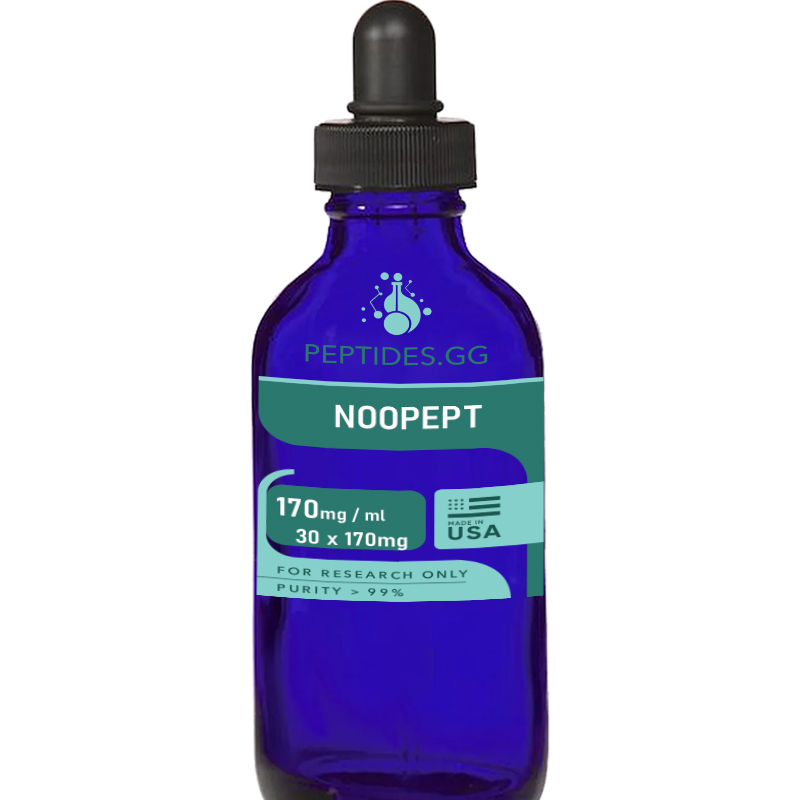
Noopept (GVS-111) serves as a valuable research tool for investigating cognitive enhancement mechanisms, neuroprotection, and neurotrophin modulation in laboratory settings. This dipeptide-derived nootropic compound demonstrates potent activity at sub-milligram research concentrations.
Research Disclaimer: Peptides.GG sells this and all other peptides for Research Only and not for human consumption.
Noopept
- Free Delivery on all orders over $200
- Earn 5% Store Credit with Every Order
- Same Day Shipping Before 1 PM PST
- 10% Discount for Cryptocurrency Payments
14-day money-back guarantee
If you are not satisfied with the product, simply return it and we will refund your money
Noopept (GVS-111) serves as a valuable research tool for investigating cognitive enhancement mechanisms, neuroprotection, and neurotrophin modulation in laboratory settings. This dipeptide-derived nootropic compound demonstrates potent activity at sub-milligram research concentrations.
Research Disclaimer: Peptides.GG sells this and all other peptides for Research Only and not for human consumption.
Related products
-

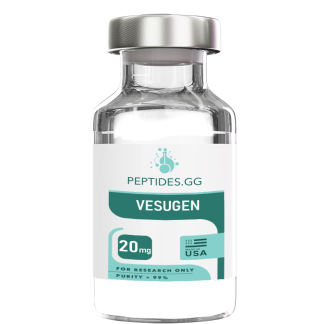
Vesugen (Bioregulator)
$60.00 Select options This product has multiple variants. The options may be chosen on the product pageSize: 20mg
-
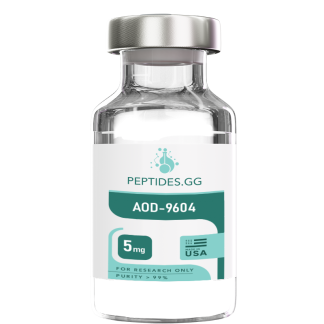
AOD9604
$30.00 – $80.00 Select options This product has multiple variants. The options may be chosen on the product pageSize: 2mg, 5mg, 10mg
Research Overview
Noopept (GVS-111) is a synthetic nootropic compound classified as a proline-containing dipeptide analog, developed by researchers at the Zakusov Institute of Pharmacology in Russia during the 1990s as part of a systematic program to identify CNS-active peptide derivatives with enhanced bioavailability relative to the racetam family. Chemically designated as N-phenylacetyl-L-prolylglycine ethyl ester, Noopept is structurally related to the C-terminal dipeptide fragment of piracetam’s proposed active metabolite, cycloprolylglycine (CPG), and is understood to serve as a prodrug that releases CPG following hydrolysis in vivo. This metabolic relationship has driven significant research interest into the mechanisms by which Noopept and its metabolites interact with CNS receptor systems, particularly glutamatergic and modulatory neurotrophin pathways.
The compound has become a widely used research tool in preclinical neuroscience for investigating cognitive processes, neuroprotective signaling, and the regulation of neurotrophic factor expression. Published laboratory studies have explored Noopept’s effects on BDNF (brain-derived neurotrophic factor) and NGF (nerve growth factor) mRNA expression in rodent brain tissue, its interactions with AMPA-type glutamate receptors, and its influence on acetylcholinergic transmission in cortical and hippocampal models. Researchers studying CNS bioactive peptides frequently employ Noopept alongside related synthetic neuropeptide research tools such as Selank and Adamax, which together constitute a complementary toolkit for investigating anxiolytic, cognitive, and neuroprotective signaling in preclinical models.
Noopept’s small molecular size, high oral bioavailability in rodent models, and ability to cross the blood-brain barrier make it a practically useful probe for CNS research — properties that distinguish it from many peptidergic research compounds that require parenteral administration to achieve central activity. Its well-characterized preclinical profile, including published dose-response data from standardized behavioral paradigms such as the Morris water maze, passive avoidance, and novel object recognition, provides a robust empirical foundation for designing new investigations. The compound is available for research purposes in multiple capsule configurations to support varied experimental protocols.
Molecular Characteristics
Complete Specifications:
- CAS Number: 157115-85-0
- Molecular Weight: 318.37 Da
- Molecular Formula: C₁₇H₂₂N₂O₄
- Chemical Name: N-phenylacetyl-L-prolylglycine ethyl ester
- Classification: Synthetic nootropic compound; proline-containing dipeptide analog; prodrug of cycloprolylglycine (CPG)
- Appearance: White to off-white crystalline powder
- Solubility: Sparingly soluble in water; freely soluble in ethanol and DMSO; exhibits lipophilicity sufficient for passive transcellular membrane permeation
The molecular architecture of Noopept centers on an L-proline residue N-acylated with a phenylacetyl group and C-terminally extended with glycine ethyl ester. The phenylacetyl cap introduces lipophilicity that dramatically enhances membrane permeability and oral bioavailability relative to the parent dipeptide prolylglycine. The ethyl ester at the C-terminus serves as a prodrug masking group that is cleaved by plasma and tissue esterases to liberate the free acid, which subsequently undergoes further enzymatic processing to release cycloprolylglycine — the proposed pharmacologically active metabolite that interacts directly with CNS receptor targets. This prodrug design principle is a key feature distinguishing Noopept from other research neuropeptides and underlies its CNS-penetrant profile.
At 318.37 Da and with moderate lipophilicity (estimated log P approximately 1.0–1.5), Noopept occupies a favorable region of chemical space for CNS drug-likeness by Lipinski criteria. The proline residue introduces a conformationally restricted pyrrolidine ring that presents the glycine moiety in a specific geometry hypothesized to be important for receptor complementarity. Comparative studies with non-proline analogs and D-proline-substituted variants have been used in SAR research to investigate the stereochemical requirements for CNS activity, confirming the importance of the L-proline configuration for the compound’s biological profile in rodent models.
Pharmacokinetic Profile in Research Models
Absorption and CNS Distribution
- Oral bioavailability in rodent models is substantially higher than equivalent peptide compounds lacking the phenylacetyl and ethyl ester modifications, attributed to enhanced gastrointestinal membrane permeation
- Blood-brain barrier penetration has been confirmed in radiolabeled distribution studies in rats, with measurable compound-derived radioactivity detected in cortical, hippocampal, and cerebellar tissues within 30–60 minutes of oral administration
- Peak brain concentrations in murine models occur within 15–30 minutes following oral or intraperitoneal administration, making timing of behavioral assay initiation an important experimental variable
- Nasal mucosal absorption provides an alternative route studied in intranasal delivery models, with olfactory epithelium offering a potential direct-to-CNS pathway bypassing systemic circulation
Bioactivity Dynamics and Prodrug Conversion
- Plasma esterase-mediated hydrolysis of the ethyl ester converts Noopept to N-phenylacetyl-L-prolylglycine (the free acid form), followed by further metabolism to cycloprolylglycine in CNS tissue
- Cycloprolylglycine (CPG) has been independently demonstrated to exhibit positive modulatory activity at AMPA-type glutamate receptors in electrophysiology assay systems
- BDNF mRNA upregulation in hippocampal tissue has been documented within 24 hours of Noopept administration in rodent studies, with maximal expression changes appearing at 7-day treatment time points
- Acetylcholinesterase activity modulation has been observed in cortical preparations from Noopept-treated rodents, though the direct versus indirect mechanism of this effect remains under investigation
Metabolic Considerations
- Plasma half-life of intact Noopept is short (estimated minutes to low hours in rodent plasma) due to rapid esterase-mediated hydrolysis; CNS effects likely reflect activity of metabolites rather than parent compound
- Phenylacetic acid, released as a metabolic byproduct of the phenylacetyl group, is an endogenous human metabolite of phenylalanine and is not considered toxicologically significant at research concentrations
- Species differences in esterase activity may affect the rate of prodrug conversion and complicate direct cross-species comparison of pharmacokinetic data
- Urinary excretion of metabolites (cycloprolylglycine, prolylglycine) has been used as a pharmacokinetic readout in rodent metabolic studies to track systemic conversion of the parent compound
Research Applications
Cognitive Function and Memory Research
- Morris water maze studies evaluating spatial learning and memory acquisition and retention in Noopept-treated rodent cohorts versus vehicle controls
- Passive avoidance paradigm research examining fear-conditioned memory consolidation and retrieval in normal and amnesic rodent models
- Novel object recognition assays quantifying recognition memory in rodents treated with Noopept under normal and pharmacologically induced cognitive impairment conditions
- Radial arm maze studies investigating working memory performance in aged rodent cohorts as a model of age-associated cognitive decline
- Electrophysiological investigation of hippocampal long-term potentiation (LTP) as a synaptic correlate of learning in Noopept-treated brain slice preparations
Memory and cognitive research represents the primary experimental domain in which Noopept has been deployed as a research tool. Its consistent effects on standardized memory paradigms in rodent models have established it as a useful positive control compound for investigators studying cognition-modulating interventions, alongside related neuropeptide research tools such as PE-22-28.
Neuroprotection and Neurodegeneration Models
- Excitotoxicity research examining Noopept’s capacity to attenuate glutamate-induced neuronal death in primary cortical neuron cultures
- Oxidative stress models using hydrogen peroxide or rotenone challenge in neuroblastoma cell lines with Noopept as a putative protective agent
- Beta-amyloid toxicity studies in cell culture and transgenic mouse models using Noopept to probe mechanisms of amyloid-induced neurotoxicity
- Ischemia-reperfusion injury research in rodent cerebral occlusion models using Noopept as a reference neuroprotective compound in behavioral and histological endpoint studies
- Tau pathology investigations in tauopathy models examining the relationship between Noopept-modulated neurotrophic signaling and neurofibrillary tangle formation
Neuroprotection research utilizing Noopept has examined a range of injurious stimuli relevant to neurodegenerative disease modeling. These studies benefit from Noopept’s oral bioavailability and CNS penetration, which allow long-term dietary administration protocols that would be impractical with parenteral-only peptides.
BDNF and NGF Expression Research
- RT-PCR and in situ hybridization studies quantifying BDNF and NGF mRNA expression in hippocampus, cortex, and basal forebrain of Noopept-treated rodents
- Western blot and ELISA quantification of mature BDNF and proBDNF protein levels in brain tissue and cerebrospinal fluid of treated rodent models
- TrkB and TrkA receptor phosphorylation assays examining downstream neurotrophin receptor activation following Noopept-induced BDNF/NGF upregulation
- Comparative studies examining Noopept’s neurotrophin-upregulating effects relative to those of Cortagen and Pinealon in parallel assay designs targeting CNS bioregulatory peptide signaling
The capacity of Noopept to upregulate expression of BDNF and NGF in CNS tissue represents one of its most mechanistically interesting properties from a research standpoint, as these neurotrophins govern synaptic plasticity, neuronal survival, and adult neurogenesis. Quantifying this effect and identifying the upstream signaling pathways responsible is a current priority in Noopept mechanistic research.
Glutamatergic Neurotransmission Research
- AMPA receptor positive modulation studies using whole-cell patch clamp electrophysiology in hippocampal neurons to characterize the kinetics of CPG-mediated AMPA potentiation
- Radioligand binding displacement assays examining Noopept metabolite affinity for AMPA receptor subunit combinations (GluA1-4) expressed in heterologous systems
- NMDA receptor co-agonism investigation examining cycloprolylglycine’s potential interaction with the glycine binding site of the NMDA receptor complex
- Microdialysis studies in freely moving rodents measuring extracellular glutamate levels in prefrontal cortex and hippocampus following Noopept administration
Glutamatergic research using Noopept is predicated on the compound’s hypothesized positive modulation of AMPA-type receptors via its cycloprolylglycine metabolite. This mechanism places Noopept within the broader pharmacological class of ampakines, though its indirect prodrug action introduces complexities in receptor-level mechanistic attribution that active research programs continue to address.
Anxiety and Stress Response Research
- Elevated plus maze and open field test studies examining anxiolytic-like behavioral profiles in Noopept-treated rodents under baseline and stress-conditioned protocols
- HPA axis activation markers (corticosterone, ACTH) measured following acute and chronic stress protocols in Noopept-treated rodent cohorts
- Comparative anxiety research using Noopept alongside Selank and N-Acetyl Semax Amidate in standardized rodent behavioral test batteries to establish compound-specific activity profiles
- Social interaction paradigm research examining the influence of Noopept on anxiety-related behaviors in group-housed versus isolation-stressed rodent models
Research into the anxiolytic-like profile of Noopept in preclinical models has revealed behavioral effects that are distinct from classical benzodiazepine anxiolytics, suggesting a mechanistically different substrate for anxiety-related behavioral modulation. These findings drive ongoing investigation into the CNS circuits and receptor systems mediating Noopept’s behavioral effects in stress paradigms.
Laboratory Handling and Storage Protocols
Capsule Storage
- Store Noopept capsules at room temperature (15–25°C) in a dry environment, away from direct sunlight and humidity
- Keep in original sealed packaging until use to minimize exposure to atmospheric moisture, which can hydrolyze the ethyl ester even without enzymatic catalysis
- Refrigeration (4°C) is appropriate for long-term storage beyond 12 months; allow to equilibrate to room temperature before opening to prevent condensation
- Shelf life under recommended conditions is typically 24 months from date of manufacture when stored sealed and protected from heat and moisture
Reconstitution Guidelines for Research Solutions
- For in vitro applications, dissolve Noopept powder in DMSO to prepare a concentrated stock solution (10–100 mM); dilute into aqueous buffer or culture medium to working concentrations, keeping final DMSO below 0.1%
- Ethanol is an alternative primary solvent; prepare 100% ethanol stocks and dilute as above, ensuring vehicle controls match the ethanol concentration in all experimental groups
- For in vivo rodent administration research, saline or hydroxypropyl-β-cyclodextrin (HPBCD) solutions can be prepared by dissolving directly in vehicle with gentle warming and sonication
- Filter-sterilize reconstituted solutions through a 0.22 µm membrane prior to use in cell culture applications
Reconstituted Solution Storage and Stability
- Store DMSO stock solutions at −20°C; avoid repeated freeze-thaw cycles by aliquoting into single-use volumes at the time of preparation
- Aqueous working solutions should be prepared fresh at each experimental session; stability in aqueous media is limited by hydrolysis of the ethyl ester (hours to days at 37°C)
- Validate solution integrity by HPLC before use in quantitative assays; confirm parent compound peak area and identify any hydrolysis product peaks (N-phenylacetyl-L-prolylglycine free acid)
- pH buffering of aqueous solutions to pH 6–7 slows ester hydrolysis; strongly alkaline conditions accelerate degradation and should be avoided
Quality Assurance and Analytical Testing
- Purity Analysis (HPLC): Each production lot is analyzed by reverse-phase HPLC with UV detection at 254 nm, with compound purity verified at ≥98% to confirm freedom from synthetic impurities, diastereomers, and degradation products including the hydrolysis product N-phenylacetyl-L-prolylglycine
- Structural Verification (ESI-MS): Electrospray ionization mass spectrometry confirms the parent molecular ion at m/z 319.2 [M+H]⁺, verifying the molecular weight of 318.37 Da and the intact N-phenylacetyl-L-prolylglycine ethyl ester structure
- Chiral Purity: Chiral HPLC analysis confirms the L-proline configuration and overall stereochemical integrity of the compound, distinguishing the active L-isomer from the D-proline diastereomer
- Residual Solvent Testing: Gas chromatography headspace analysis confirms residual solvent content complies with ICH Q3C limits for research-grade material
- Certificate of Analysis: Full COA documentation including HPLC chromatogram, ESI-MS spectrum, chiral analysis, and lot-specific purity data is provided with each batch and available upon request prior to order
Research Considerations
Investigators designing experiments with Noopept should address the following experimental design factors:
- Prodrug Interpretation: Attributing observed biological effects to the parent compound (Noopept) versus its active metabolite (cycloprolylglycine) requires careful experimental design. In vitro studies using intact Noopept in serum-free media will not generate CPG efficiently; researchers should test both compounds in parallel or supplement media with plasma esterase to enable prodrug conversion.
- Aqueous Hydrolysis Rate: The ethyl ester bond of Noopept undergoes non-enzymatic hydrolysis in aqueous solution, particularly at physiological temperature and pH. Research teams should perform time-course stability checks by HPLC to determine the effective window for compound integrity in their specific assay system.
- Dose and Timing Windows: Published rodent behavioral studies show inverted U-shaped dose-response relationships, with optimal effects in a defined dose range. Pilot dose-finding experiments are essential before committing to definitive behavioral study designs.
- Repeated Administration Effects: Several reported outcomes (BDNF/NGF upregulation) are most pronounced after repeated multi-day administration in rodent studies. Single-dose designs may not capture the full biological profile; experimental protocols should define single-dose versus chronic administration conditions explicitly.
- Behavioral Test Order: When using multiple behavioral assays in the same cohort, the order of testing can introduce carry-over effects. Counterbalancing and adequate inter-test intervals should be incorporated into multi-assay experimental designs to prevent performance on earlier tests from confounding later test outcomes.
Priority mechanistic investigation areas for ongoing Noopept research include:
- Definitive characterization of the molecular target(s) mediating BDNF and NGF mRNA upregulation in hippocampal tissue, including identification of the transcription factors and upstream signaling kinases involved
- Electrophysiological characterization of cycloprolylglycine’s AMPA receptor modulation kinetics, including subunit selectivity, modulation of desensitization and deactivation rates, and comparison with established ampakine reference compounds
- Systems-level mapping of brain regions showing altered immediate early gene (c-fos, Arc) expression following Noopept administration to identify CNS circuits engaged by the compound
- Comparative mechanistic studies placing Noopept within the broader landscape of synthetic nootropic dipeptide analogs, using Adamax and related compounds as parallel reference tools in standardized assay systems
Compliance and Safety Information
- Regulatory Status: Noopept is supplied exclusively as a research chemical for in vitro and preclinical in vivo laboratory investigation. It is not approved by the FDA, EMA, or any other regulatory authority as a pharmaceutical, dietary supplement, or medical device for use in humans or animals.
- Intended Use: This compound is intended solely for use by qualified researchers in licensed laboratory settings conducting legitimate scientific investigation. All experimental use must comply with applicable institutional review processes, animal care protocols where applicable, and local regulatory requirements governing research chemicals.
- NOT Intended For: Human consumption, self-administration, cognitive enhancement in humans, veterinary use, or any application outside a controlled, licensed laboratory research environment. The compound is not a nootropic supplement for personal use and is not offered or represented as such.
- Safety Protocols: Handle with appropriate personal protective equipment including nitrile gloves and safety glasses. Although Noopept has low acute toxicity in animal studies at research concentrations, CNS-active compounds should be handled with appropriate caution. Consult the Safety Data Sheet (SDS) prior to use for full hazard information.
- Disposal: Dispose of unused material and solutions in compliance with institutional chemical waste management protocols and applicable local environmental regulations. Do not dispose of solvent-containing solutions via general drain systems.